
More Than Bricks and Mortar: 3 Powerful Lessons from a Project Building Safer Futures
When we think of a new house, our minds often go to blueprints and foundations. But what if a home could be more? What if it could be a shield against violence, an act of communal healing, and a promise for a brighter future?
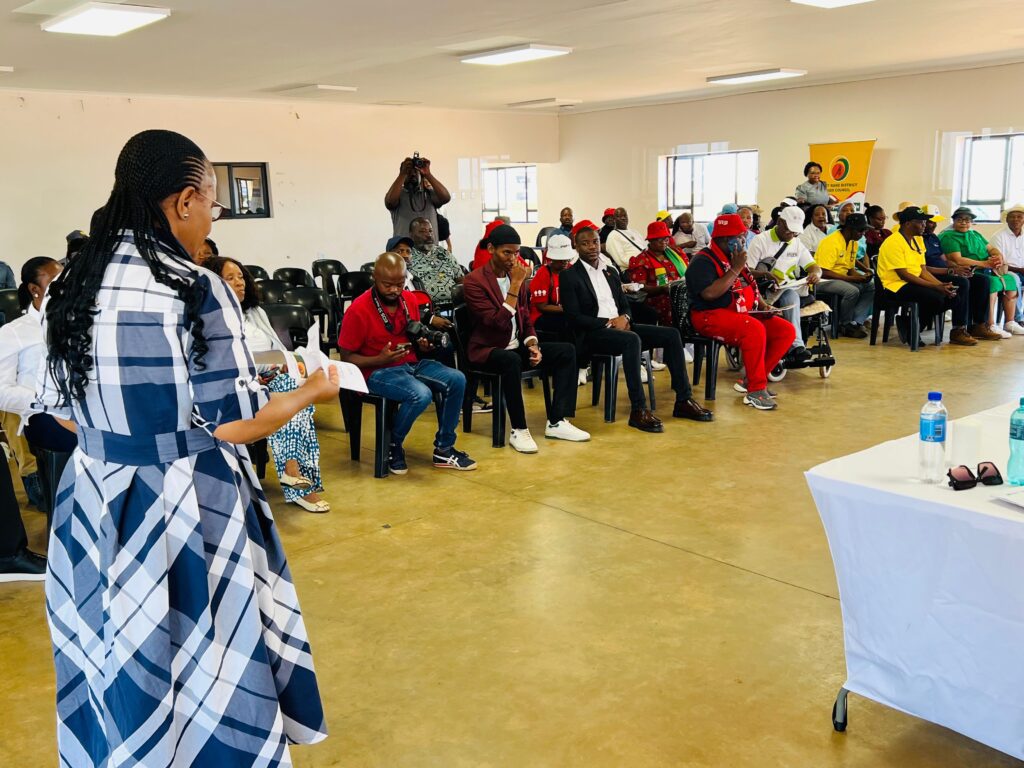
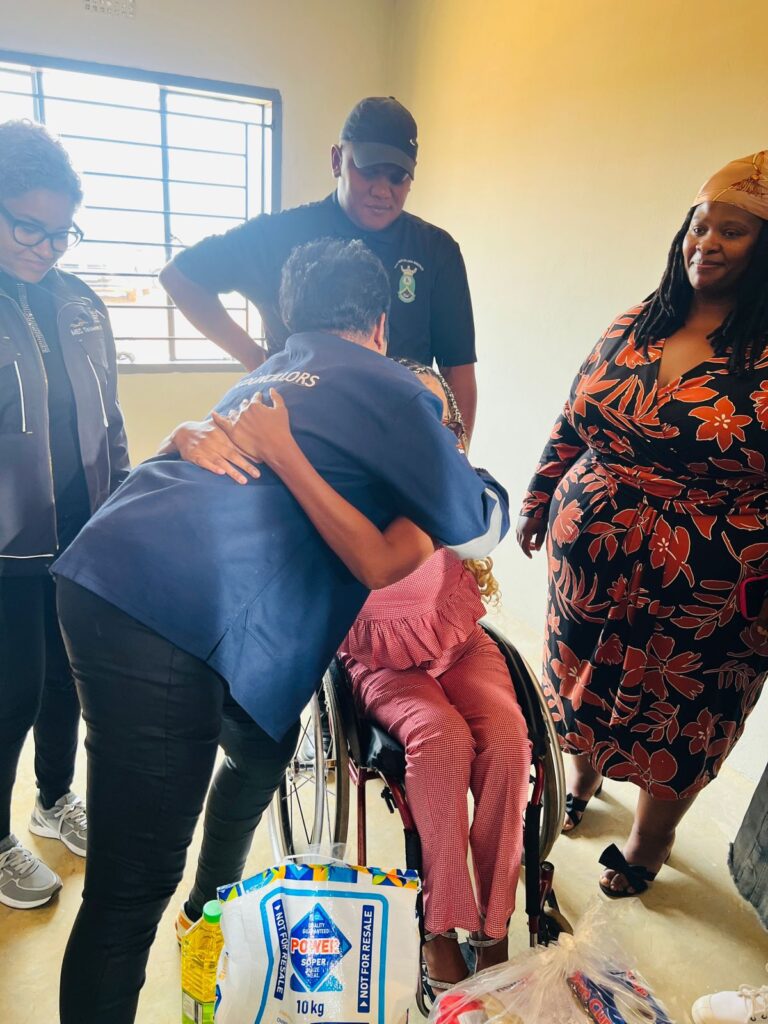
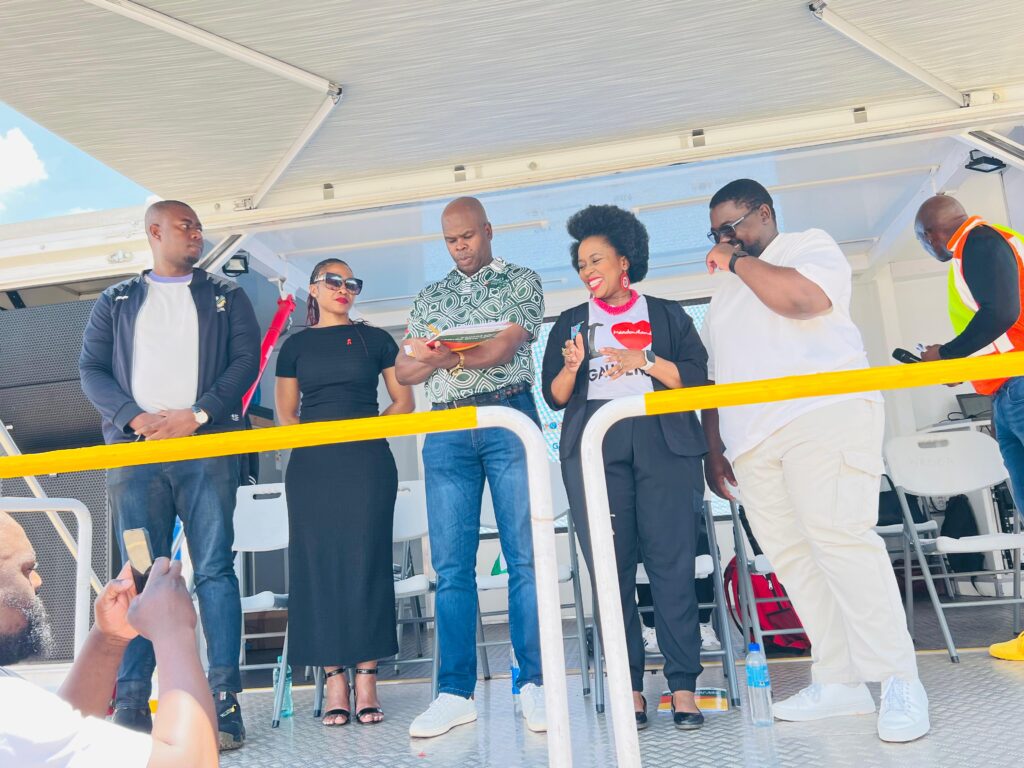
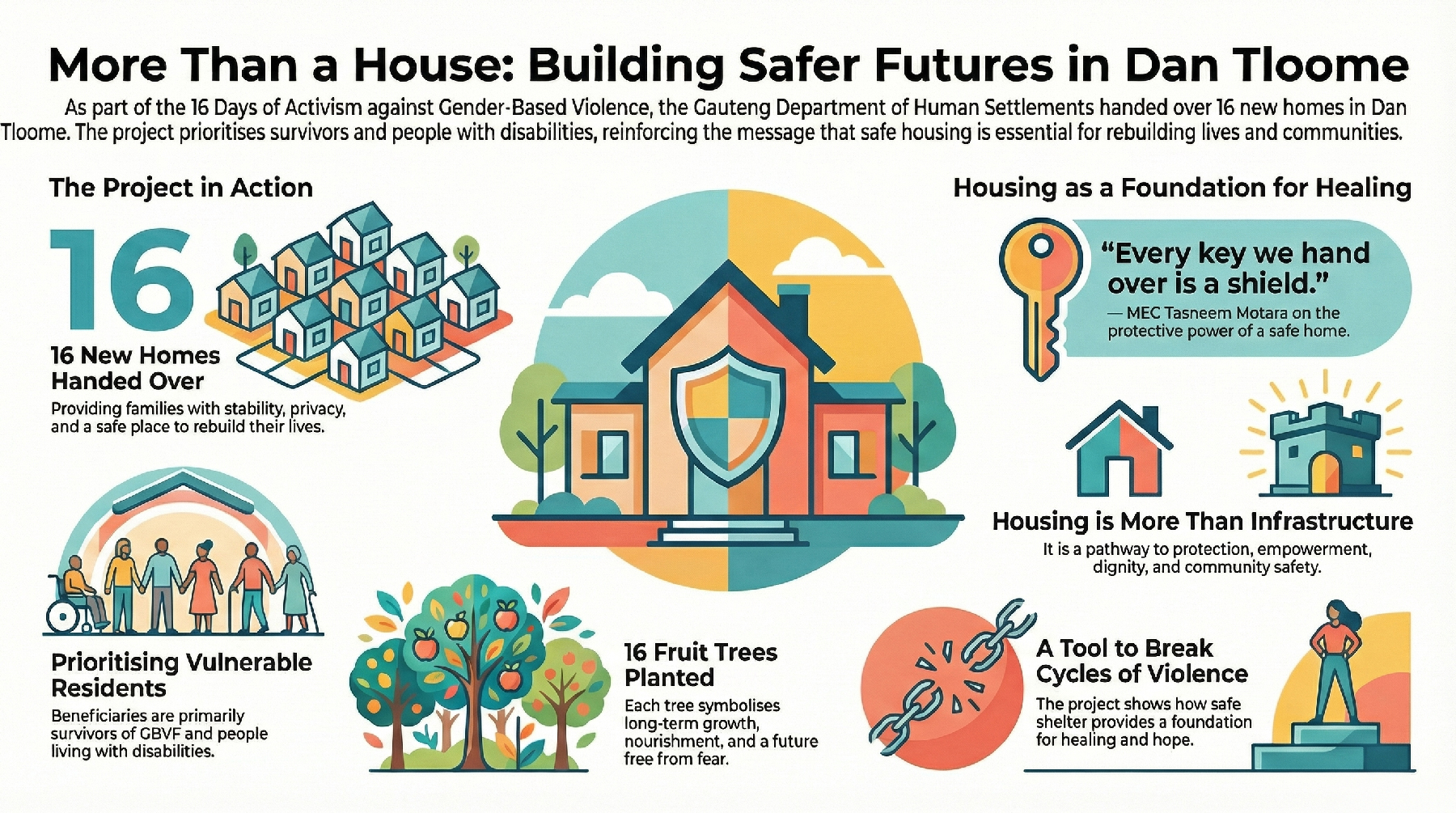
During the 16 Days of Activism, a project in Dan Tloome handed over 16 new homes to survivors of Gender-Based Violence and Fragility (GBVF) and people living with disabilities. This initiative offers a powerful blueprint for how housing policy can actively heal communities, revealing that the true meaning of “home” goes far beyond a physical building. It provides a case study in intentional development, offering lessons in how to build not just houses, but safer futures.
Takeaway 1: A House Key Can Be a Shield
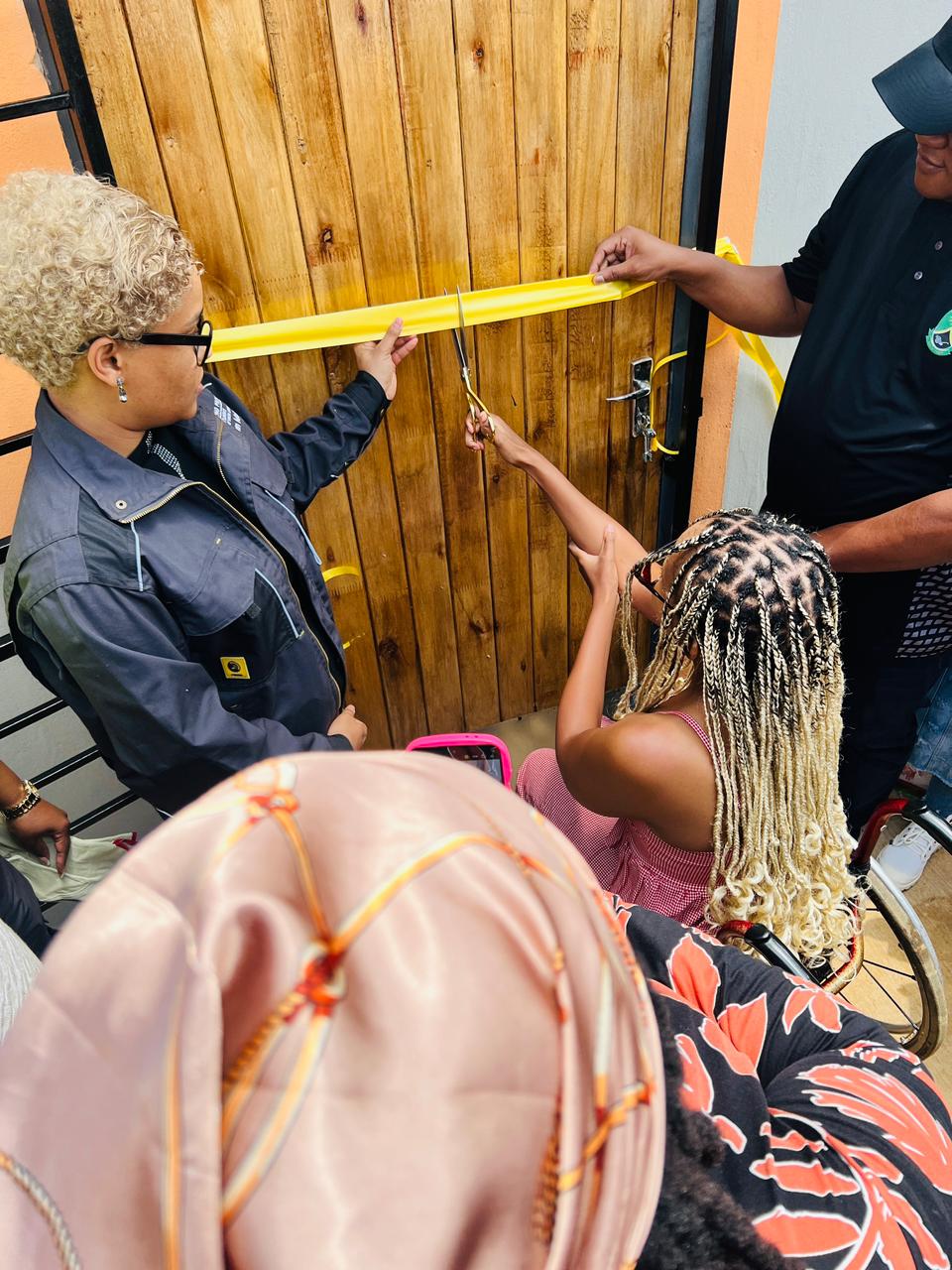
For most, a house key unlocks a door. For a survivor of violence, it can unlock a new life. This project powerfully reframes housing as an active form of protection. It shifts the conversation from infrastructure to human safety, recognizing that a secure home is one of the most effective tools for empowerment. For these 16 families, their new front door represents stability, privacy, and a safe space to begin rebuilding their lives. It’s a tangible foundation upon which they can create generational change, free from fear. This simple but profound shift in perspective turns a basic need into a life-saving intervention.
“Every key we hand over is a shield.” — MEC Tasneem Motara.
Takeaway 2: Prioritizing the Vulnerable Is an Act of Healing
The Gauteng Department of Human Settlements made a “deliberate decision” to prioritize survivors of GBVF and people living with disabilities for these new homes. This targeted approach is more than policy; it is an act of communal healing. For survivors, it provides a secure foundation to break cycles of violence. For people with disabilities, it dismantles barriers to access and independence, affirming their right to a dignified and secure life. In both cases, it directly addresses societal wounds by providing a safe harbor for those who have been pushed to the margins.
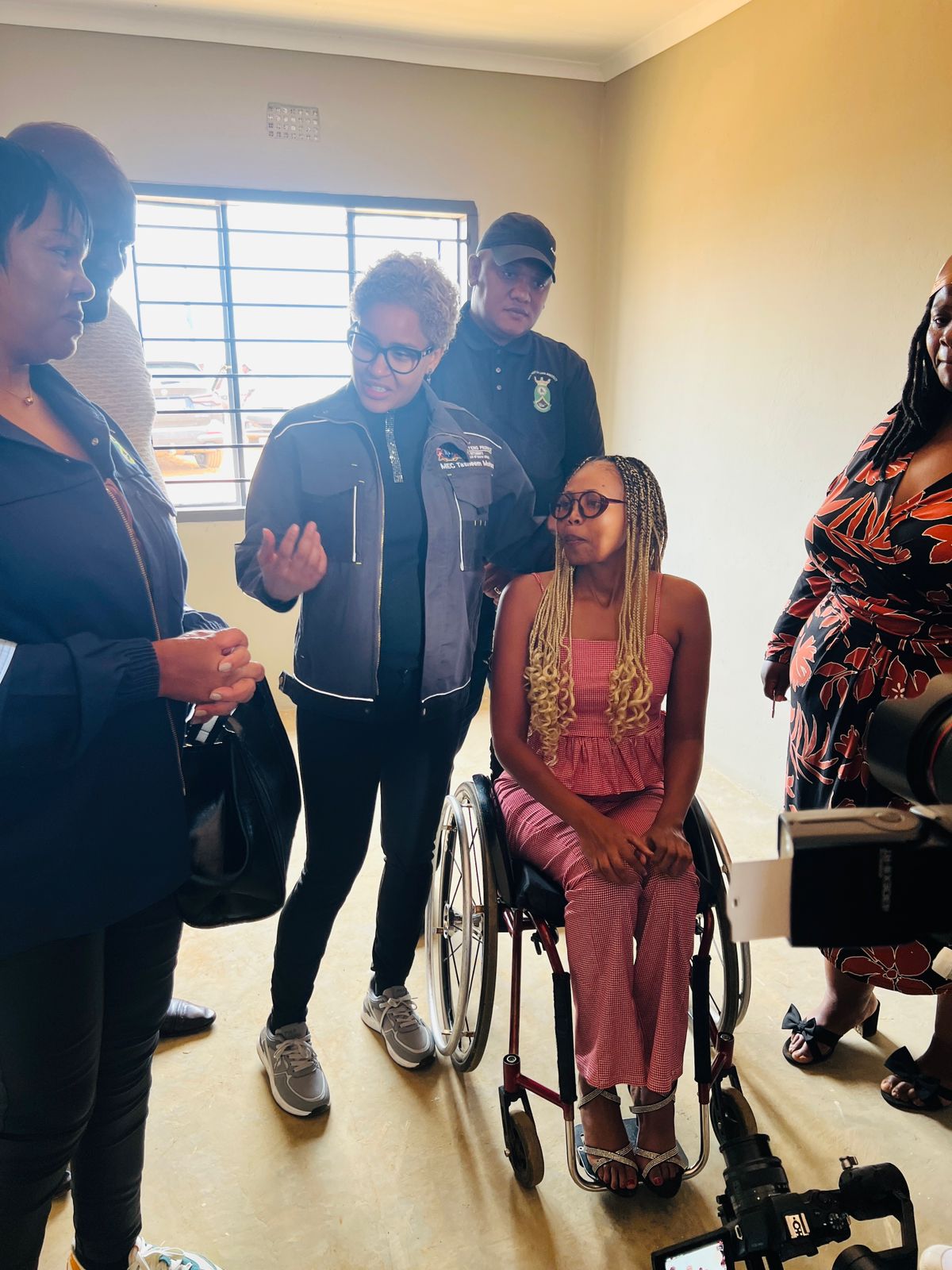
This commitment was about more than just allocation. MEC Tasneem Motara personally spent time inside each home, listening to the stories of survivors and comforting families, sharing in the tears, gratitude, and joy of their new beginnings. This hands-on, empathetic approach underscores the project’s deeper purpose: not just to house individuals, but to honour their experiences and restore their dignity. It is policy in action and leadership with purpose. This deliberate focus is what transforms a simple key into a ‘shield’ and a newly planted fruit tree into a genuine promise.
“We made a deliberate decision: survivors of GBVF and people living with disabilities must be prioritised for safe, secure housing.” — MEC Tasneem Motara
Takeaway 3: Planting a Tree Is a Promise for a Nourished Future
Alongside the keys, another powerful symbol was delivered: MEC Tasneem Motara planted 16 fruit trees, one in the yard of each new home. This simple act carries immense weight.
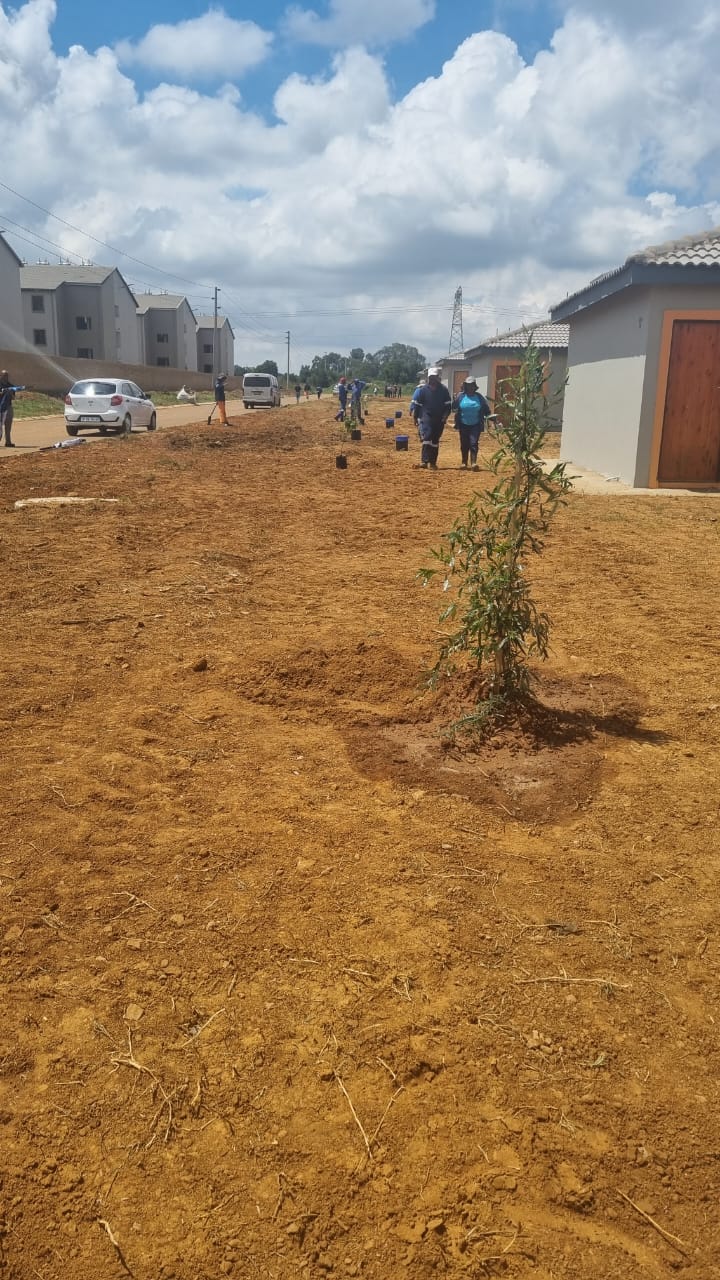
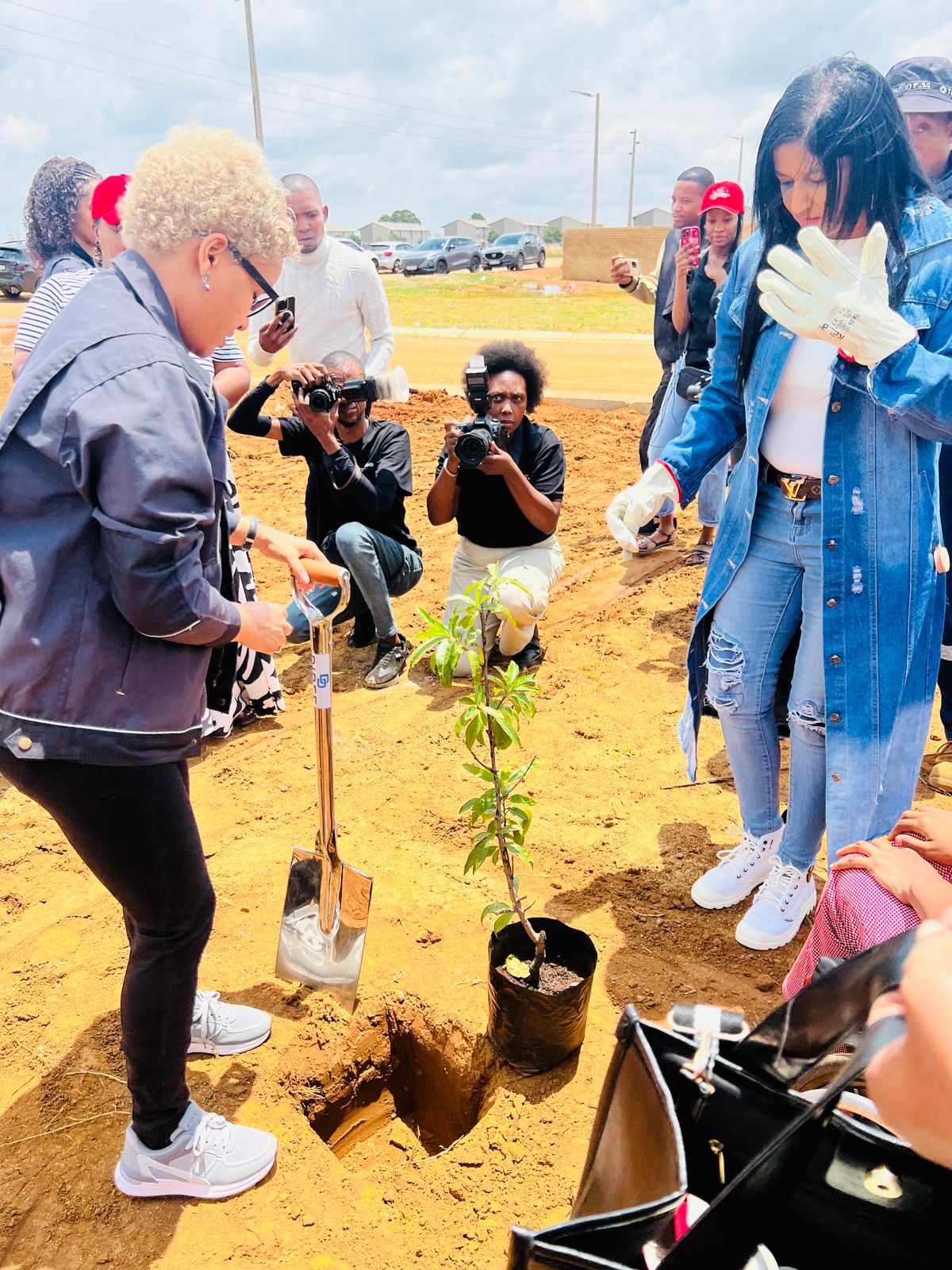
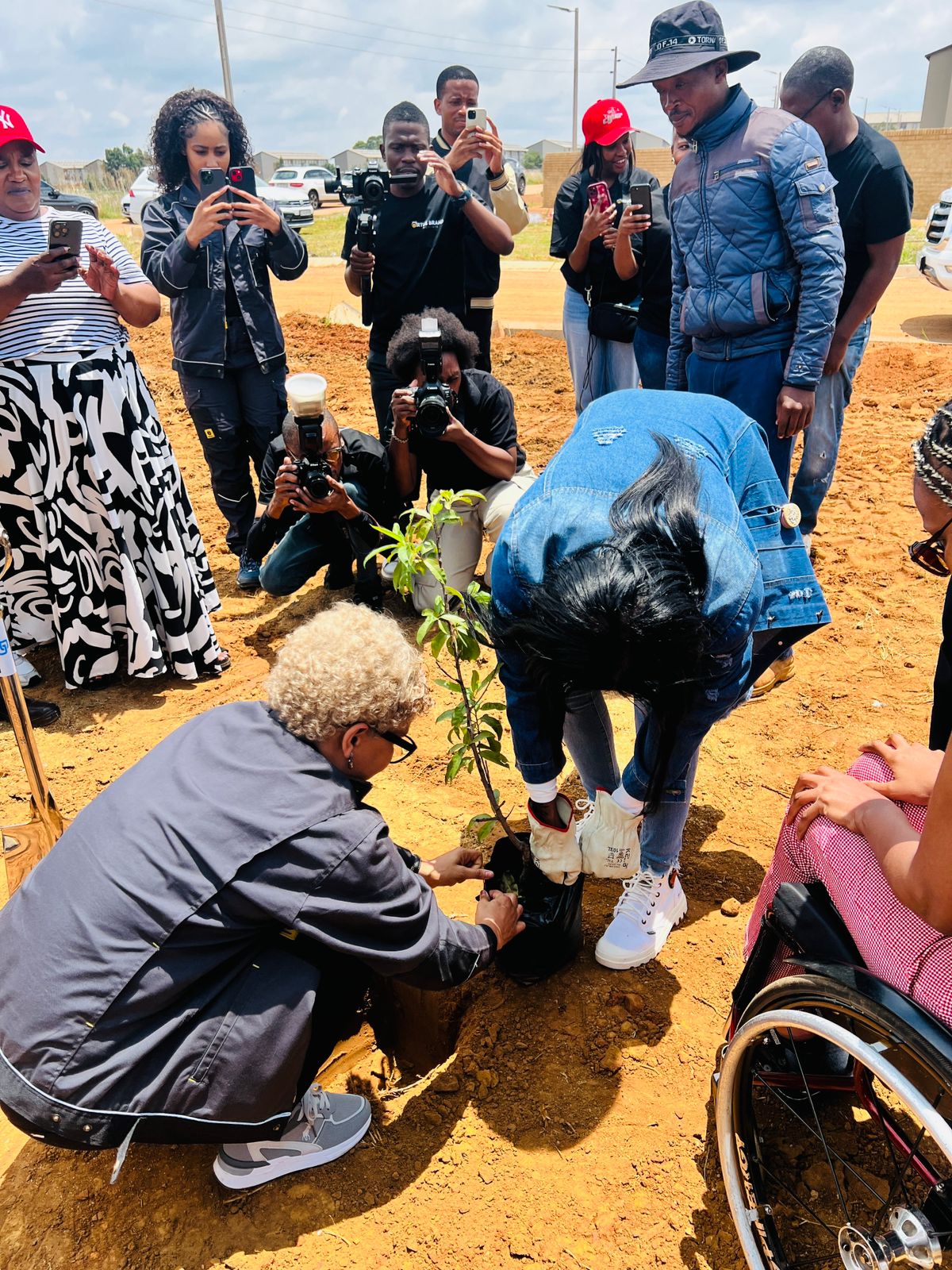
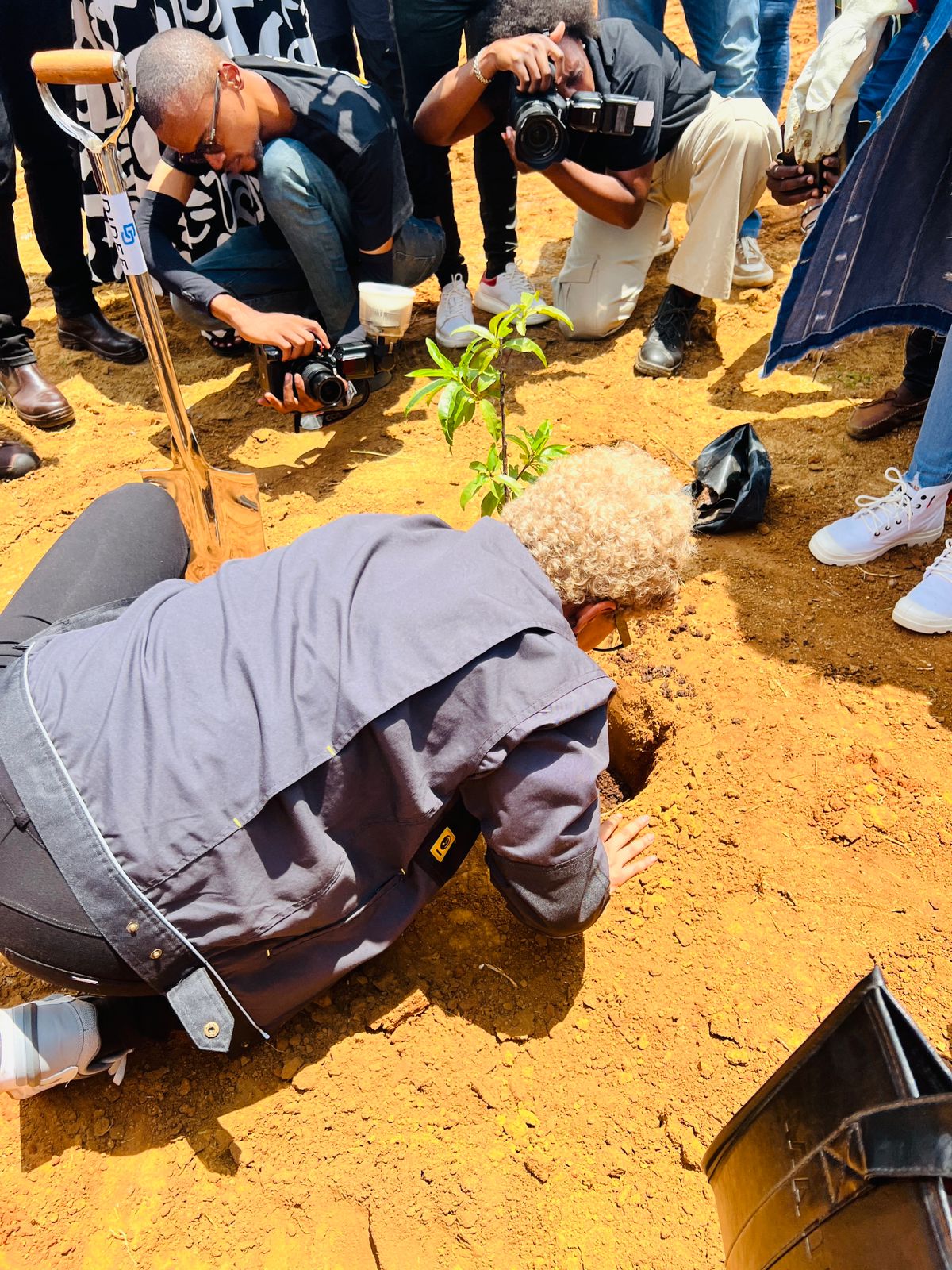
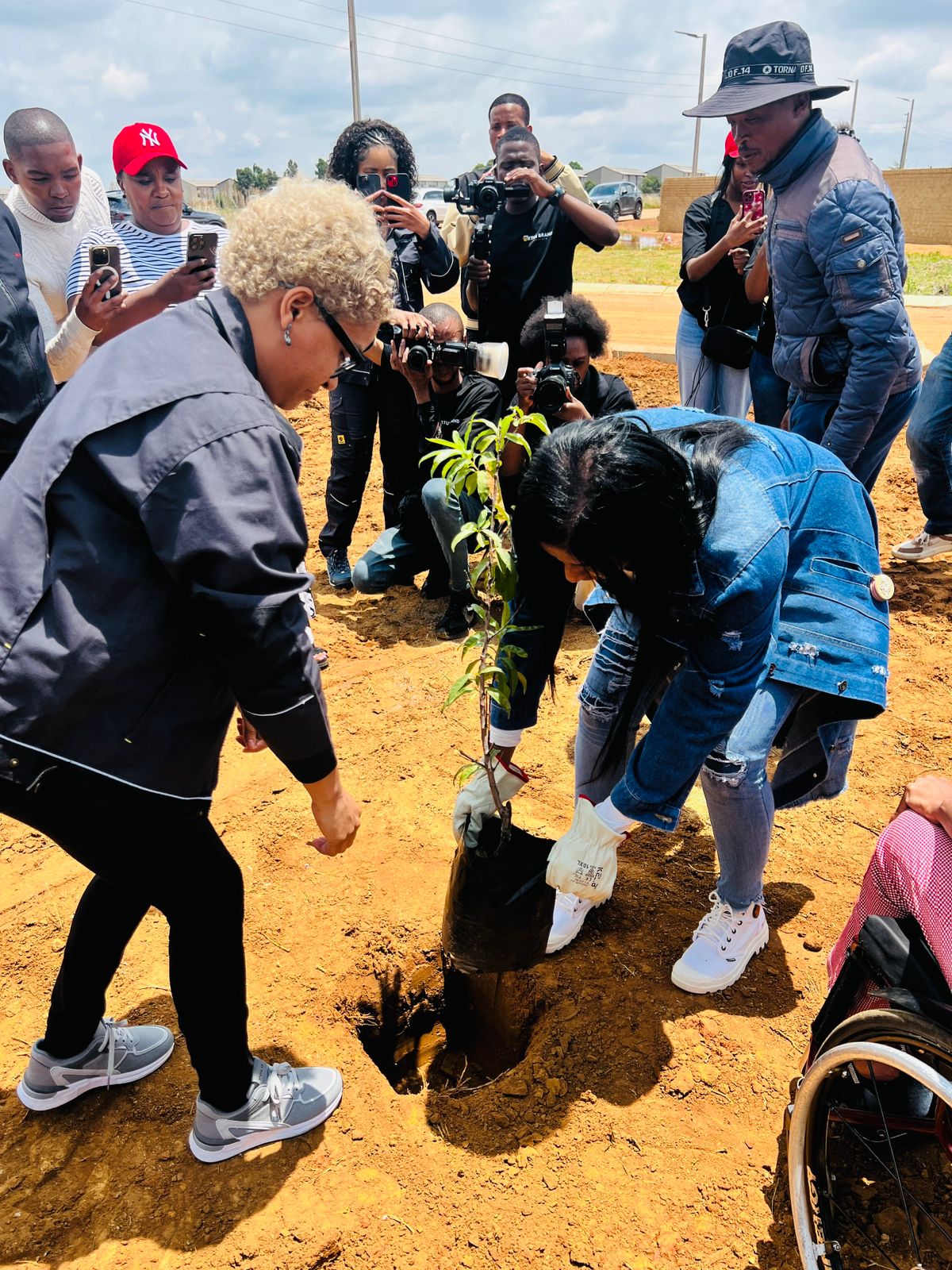
A tree is not just for today; it is a living commitment to the future. These trees symbolize growth, renewal, and protection. More than just greenery, the promise of fruit represents long-term nourishment and sustainability. It’s a tangible sign that this initiative is invested in a future where these families can do more than just survive—they can thrive. This act transforms the handover from a single event into a lasting promise for a safer, more hopeful tomorrow.
Conclusion: Building Dignity, One Home at a Time
The Dan Tloome project is a powerful reminder that housing can be a catalyst for profound social change. It demonstrates that when we build with intention, a house becomes a space for healing, a tool for protection, and a foundation for dignity. This initiative redefines the metrics of success in community development, shifting the focus from what is built to whose lives are rebuilt.
It leaves us with a critical question to ponder: What could our communities achieve if every development project was measured not just by what it builds, but by whose dignity it restores?
Discover more from Ariobex
Subscribe to get the latest posts sent to your email.